



Celebrate Father's Day with a Festive Braai at Pullman Cape Town!
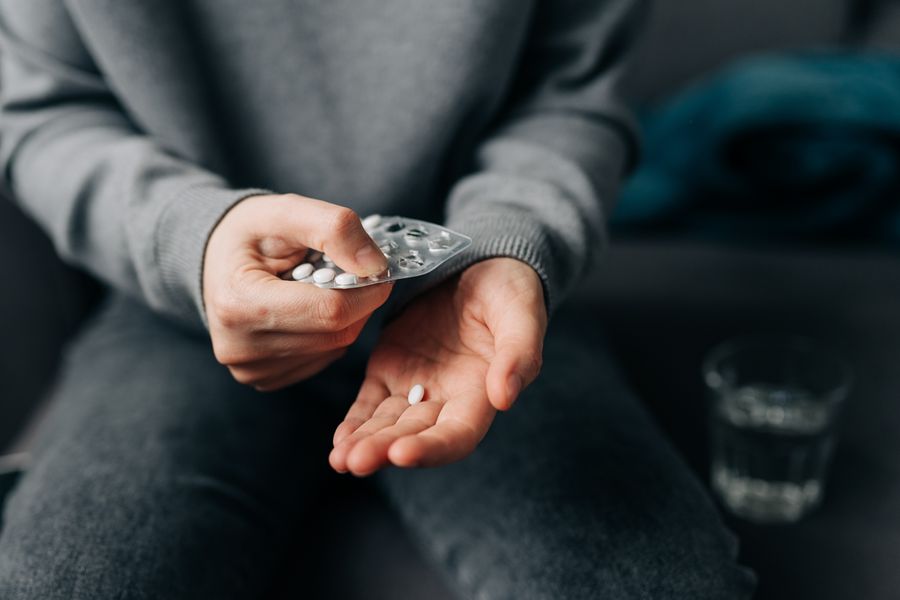
Heartburn Medications Linked to Increased Depression Risk, Experts Warn

A Diagnosis Without Warning

South Africa Successfully Places 8,403 Medical Graduates for 2025

The Winter Holidays and Obesity: A Growing Concern

Tackling Loneliness Among Older Adults This Festive Season

Festive Season Nutrition: How to Indulge Without Guilt

Doromongy Faces Backlash for Allegedly Selling Ozempic Injections

Top Five Health Risks Linked to Climate Change: A Call to Action from Cop29

E. Coli Outbreak Prompts Recall of Organic and Baby Carrots Across the US

MSF Protests Novo Nordisk Decision to Discontinue Insulin Pens in South Africa

Turmeric Teeth-Whitening Hack Sparks Debate Among Influencers and Dentists
Ingrown Toenail Care

An ingrown toenail, though common, can be a painful and bothersome condition if not properly managed. It occurs when the edge or corner of a toenail grows into the surrounding skin instead of straight out. This often leads to redness, swelling, and discomfort, and if left untreated, can result in infection or more severe complications. Here’s a comprehensive guide on understanding, preventing, and treating ingrown toenails.
Understanding Ingrown Toenails
An ingrown toenail can develop due to various factors:
• Improper Nail Trimming: Cutting nails too short or rounding them instead of cutting straight across can encourage the nail to grow into the skin.
• Footwear Issues: Tight-fitting shoes or socks can exert pressure on the toes, pushing the nail into the skin.
• Injury: Stubbing your toe or other trauma can cause the nail to grow improperly.
• Genetics: Some people are predisposed to ingrown toenails due to inherited nail shape.
Prevention Tips
Preventing ingrown toenails is often possible with these simple steps:
• Proper Nail Trimming: Cut nails straight across and avoid cutting them too short.
• Footwear: Wear shoes that fit well and provide enough room for your toes.
• Toe Protection: If you often stub your toes, consider wearing protective footwear.
• Healthy Foot Hygiene: Keep feet clean and dry to prevent bacterial infections.
Home Care for Ingrown Toenails
If you notice signs of an ingrown toenail such as pain, redness, or swelling, you can try these home remedies:
• Soak: Soak your foot in warm, soapy water to help reduce swelling and tenderness.
• Elevate: Keep your foot elevated to reduce swelling.
• Avoid Pressure: Try to avoid putting pressure on the affected toe.
When to See a Doctor
Seek medical attention if:
• Infection Develops: If you notice pus, increased redness, or worsening pain, it may indicate an infection that requires antibiotics.
• Chronic Ingrown Toenails: If you frequently experience ingrown toenails, a podiatrist can provide solutions to prevent recurrence.
Medical Treatment Options
For severe or recurring ingrown toenails, medical treatments may be necessary:
• Partial Nail Removal: Removing part of the nail or the entire nail to prevent it from growing into the skin.
• Antibiotics: If there’s an infection present, antibiotics may be prescribed.
• Surgery: In some cases, a surgical procedure to permanently remove the ingrown portion of the nail may be recommended.
Conclusion
Taking care of your feet is essential for overall health and comfort. By understanding the causes, implementing preventive measures, and seeking timely treatment when needed, you can effectively manage ingrown toenails and reduce the risk of complications. If you have persistent or severe symptoms, consulting a healthcare professional, such as a podiatrist, ensures proper diagnosis and treatment tailored to your needs.
Ingrown toenails, though often manageable at home, can become serious if infections or chronic issues develop. With proper care and attention, you can keep your feet healthy and pain-free.
August 16, 2024


.jpg)




Copyright Β© 2025 Dotcom Africa. All Rights Reserved. Advertising Terms | Terms of Use | Contact | Advertise with us | About Us