



Celebrate Father's Day with a Festive Braai at Pullman Cape Town!
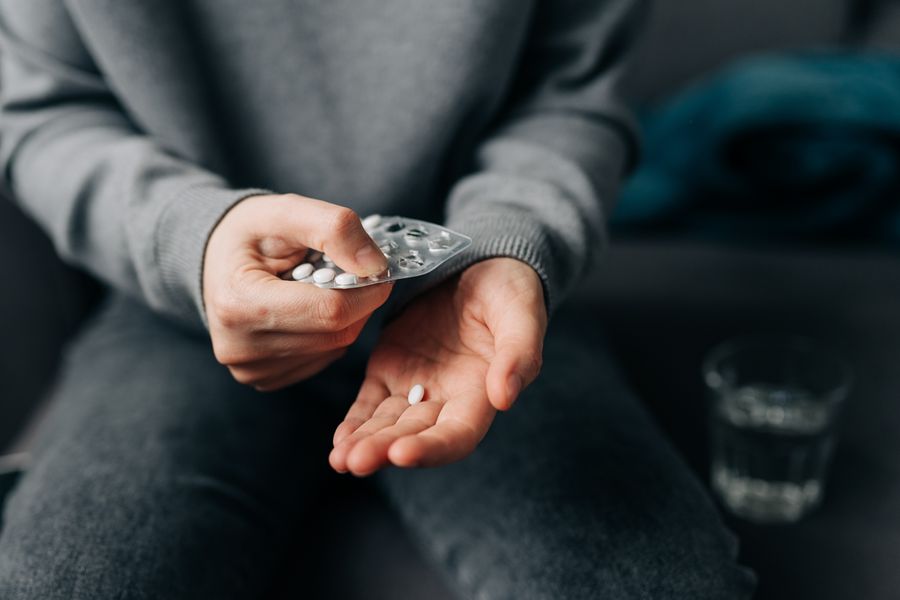
Heartburn Medications Linked to Increased Depression Risk, Experts Warn

A Diagnosis Without Warning

South Africa Successfully Places 8,403 Medical Graduates for 2025

The Winter Holidays and Obesity: A Growing Concern

Tackling Loneliness Among Older Adults This Festive Season

Festive Season Nutrition: How to Indulge Without Guilt

Doromongy Faces Backlash for Allegedly Selling Ozempic Injections
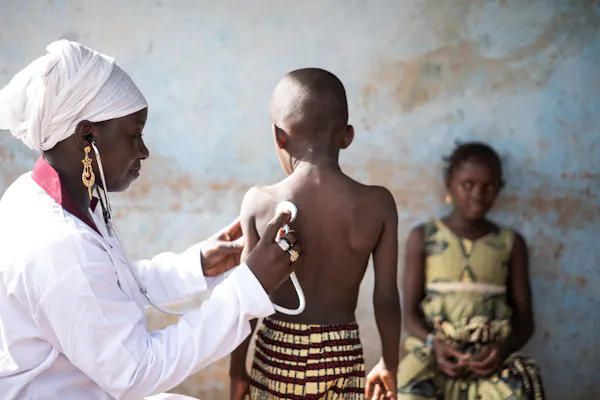
Top Five Health Risks Linked to Climate Change: A Call to Action from Cop29

E. Coli Outbreak Prompts Recall of Organic and Baby Carrots Across the US

MSF Protests Novo Nordisk Decision to Discontinue Insulin Pens in South Africa

Turmeric Teeth-Whitening Hack Sparks Debate Among Influencers and Dentists
Ants Perform Lifesaving Amputations to Combat Injuries and Infections

Researchers at the University of Würzburg in Germany have made a fascinating discovery about wound care among ants. Their studies have shown that certain ant species have developed unique methods to treat injuries and prevent infections, a practice that can significantly reduce the death rate among injured nestmates.
Antibiotic Treatment and Amputation in Ants
Previously, it was observed that termite-hunting ants in the tropics use antibiotic secretions from a specialized gland to treat the wounds of injured nestmates. However, this gland is absent in the common Florida carpenter ants, or Camponotus floridanus. These ants, which nest in rotting wood and frequently engage in battles to defend their territory, have developed an alternative method to deal with injuries: amputation.
Ants as Surgeons
Frank and his team observed that when Florida carpenter ants suffered severe leg injuries, they would have their nestmates cut off the wounded legs. This behavior, reminiscent of Civil War-era surgeons, intrigued the researchers. Injured ants would present their wounded leg to a nestmate, who would lick the wound and then bite at the shoulder joint until the leg was severed. Remarkably, almost all ants that received this treatment survived, while those isolated from their nestmates often died.
Experimental Validation of Ant Amputations
To understand how amputations helped, researchers experimentally infected ants' leg wounds with pathogens. They found that the ants' amputations effectively stopped the spread of infections, saving lives. Frank even performed surgical amputations on injured ants to mimic their natural approach, confirming that these amputations were lifesaving.
Expert Opinions
The research has been well-received by other ant experts. Daniel Kronauer of The Rockefeller University praised the thoroughness of the experiments, while Clint Penick from Auburn University highlighted the long-standing practice of clinical amputation among these ants, predating human medical techniques.
Selective Amputations and Ant Anatomy
Interestingly, ants only performed amputations on injuries high up on the leg, near the body. Lower leg injuries did not prompt this treatment, though ants would still lick these wounds. This selective behavior led researchers to investigate the leg's anatomy, discovering that muscles in the upper leg help move blood-like fluid through the body, slowing the spread of pathogens from upper-leg injuries. Thus, amputation was only effective for upper-leg injuries.
Ants' Evolutionary Adaptations
Kronauer noted that ants' ability to distinguish injury locations and decide whether to amputate based on injury position is remarkable. Although this decision-making process is not conscious, it is an evolved response developed over millions of years.
Implications for Human Medicine
Penick emphasized that while humans consider their medicine sophisticated, common backyard ants perform life-saving surgeries and antimicrobial treatments. These ants' public health strategies, including amputation and antimicrobial applications, highlight the evolutionary ingenuity of these insects.
July 4, 2024


.jpg)




Copyright © 2025 Dotcom Africa. All Rights Reserved. Advertising Terms | Terms of Use | Contact | Advertise with us | About Us