



Celebrate Father's Day with a Festive Braai at Pullman Cape Town!

Heartburn Medications Linked to Increased Depression Risk, Experts Warn

A Diagnosis Without Warning

South Africa Successfully Places 8,403 Medical Graduates for 2025

The Winter Holidays and Obesity: A Growing Concern

Tackling Loneliness Among Older Adults This Festive Season

Festive Season Nutrition: How to Indulge Without Guilt

Doromongy Faces Backlash for Allegedly Selling Ozempic Injections
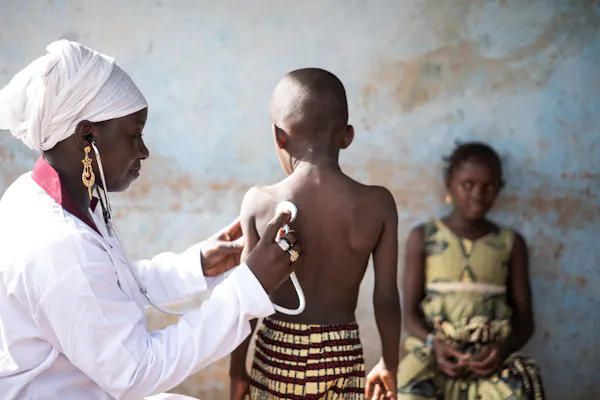
Top Five Health Risks Linked to Climate Change: A Call to Action from Cop29

E. Coli Outbreak Prompts Recall of Organic and Baby Carrots Across the US

MSF Protests Novo Nordisk Decision to Discontinue Insulin Pens in South Africa

Turmeric Teeth-Whitening Hack Sparks Debate Among Influencers and Dentists
New Breast Cancer Screening Guidelines Recommend Mammograms at Age 40

Recently updated breast cancer screening guidelines propose that women with an average risk should start receiving mammograms at age 40 instead of the previous recommendation of age 50. The U.S. Preventive Services Task Force (USPSTF) asserts that these earlier screenings could potentially save 20% more lives. However, individuals with a history of breast cancer or other risk factors should consult their healthcare provider for personalized recommendations.
The USPSTF now advises women between the ages of 40 and 74 to undergo mammograms every two years, shifting from the previous guidelines set in 2016, which suggested starting screening at age 50. The task force did not find sufficient evidence to recommend routine screening for women over 74.
The decision is based on a thorough review of data from seven randomized trials and 13 non-randomized trials, indicating inconclusive evidence regarding the effectiveness of different breast cancer screening strategies.
The updated recommendations underscore the importance of earlier screening initiation, potentially leading to a 20% reduction in breast cancer mortality compared to previous guidelines. These guidelines apply to cisgender women and all individuals assigned female at birth, including those with average risk, family history of breast cancer, and dense breasts. .
However, the recommendations exclude individuals with a history of breast cancer, those at high risk based on specific genetic markers, and those with a history of high-dose chest radiation or lesions on previous biopsies. .
Healthcare professionals have differing opinions on the new guidelines, emphasizing the need for individualized screening approaches based on personal risk factors, breast density, and family history. Despite the updated guidelines, ongoing research and discussions are essential to refine breast cancer screening strategies and improve outcomes, particularly for high-risk populations and individuals with diverse biological backgrounds.
May 02, 2024


.jpg)



Copyright © 2025 Dotcom Africa. All Rights Reserved. Advertising Terms | Terms of Use | Contact | Advertise with us | About Us