
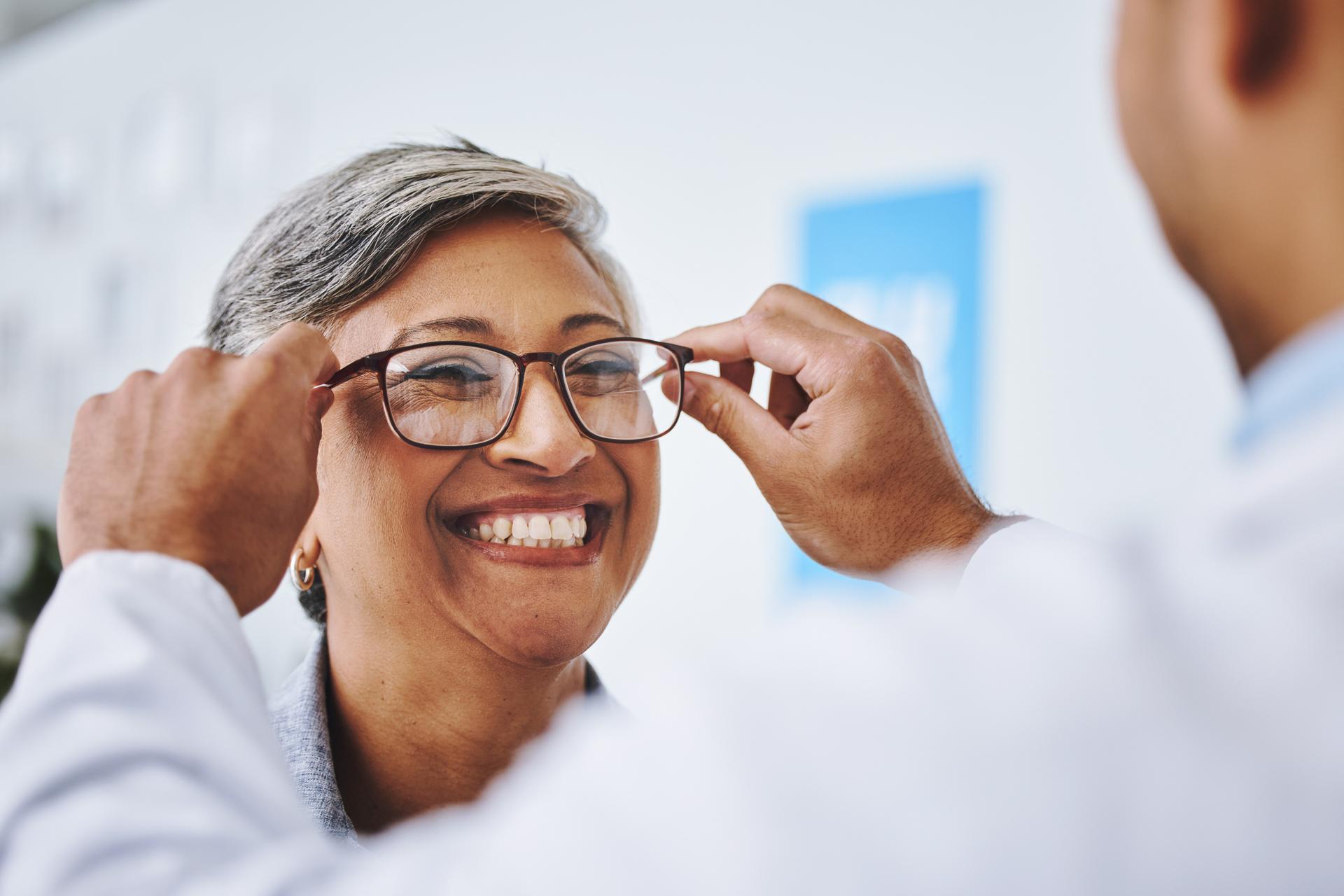
Amid busy schedules filled with family responsibilities, career milestones, and health check-ups, many women overlook their eye health. Yet evidence suggests that women are at higher risk of vision problems compared to men. The World Health Organisation (WHO) reports that nearly two-thirds of the global population living with visual impairment are women.
This trend is linked to a combination of biological, hormonal, and lifestyle factors, underscoring the need for greater awareness about eye care. Conditions such as Dry Eye Syndrome, Cataracts, Age-Related Macular Degeneration (AMD), and Glaucoma are particularly important for women to monitor.
Hormonal and Age-Related Influences
Life stages including pregnancy, menopause, and contraceptive use can influence eye comfort and increase susceptibility to Dry Eye Syndrome. Although often underestimated, the condition is manageable with appropriate treatment.
As women age, the likelihood of AMD and Glaucoma increases. Glaucoma, sometimes referred to as the “silent thief of sight,” often progresses unnoticed until significant damage has occurred. According to optometrist Eela Makan from Spec-Savers, regular eye examinations remain one of the most effective strategies for early detection and management of these conditions.
Protecting Vision Through Preventive Habits
Makan emphasises that eye health should be recognised as a key part of women’s overall well-being and long-term independence. She highlights several habits that can help maintain clear vision:
• Scheduling routine eye tests for early detection of conditions such as AMD and Glaucoma.
• Wearing UV-blocking sunglasses to reduce sun-related damage.
• Eating foods rich in omega-3 fatty acids, antioxidants, and leafy greens to strengthen eye health.
• Using the 20-20-20 technique to reduce strain when spending long hours on digital devices – looking at something six metres away for 20 seconds every 20 minutes.
The Case for Early Action
Although women often juggle multiple responsibilities, delaying care can lead to preventable complications. The WHO estimates that up to 80% of vision loss and blindness could be avoided through timely treatment and prevention.
Eye care is therefore not only about preserving sight but also about supporting independence, empowerment, and quality of life at every stage. According to Makan, small preventive steps taken today can make a significant difference in ensuring healthy vision well into the future.
This trend is linked to a combination of biological, hormonal, and lifestyle factors, underscoring the need for greater awareness about eye care. Conditions such as Dry Eye Syndrome, Cataracts, Age-Related Macular Degeneration (AMD), and Glaucoma are particularly important for women to monitor.
Hormonal and Age-Related Influences
Life stages including pregnancy, menopause, and contraceptive use can influence eye comfort and increase susceptibility to Dry Eye Syndrome. Although often underestimated, the condition is manageable with appropriate treatment.
As women age, the likelihood of AMD and Glaucoma increases. Glaucoma, sometimes referred to as the “silent thief of sight,” often progresses unnoticed until significant damage has occurred. According to optometrist Eela Makan from Spec-Savers, regular eye examinations remain one of the most effective strategies for early detection and management of these conditions.
Protecting Vision Through Preventive Habits
Makan emphasises that eye health should be recognised as a key part of women’s overall well-being and long-term independence. She highlights several habits that can help maintain clear vision:
• Scheduling routine eye tests for early detection of conditions such as AMD and Glaucoma.
• Wearing UV-blocking sunglasses to reduce sun-related damage.
• Eating foods rich in omega-3 fatty acids, antioxidants, and leafy greens to strengthen eye health.
• Using the 20-20-20 technique to reduce strain when spending long hours on digital devices – looking at something six metres away for 20 seconds every 20 minutes.
The Case for Early Action
Although women often juggle multiple responsibilities, delaying care can lead to preventable complications. The WHO estimates that up to 80% of vision loss and blindness could be avoided through timely treatment and prevention.
Eye care is therefore not only about preserving sight but also about supporting independence, empowerment, and quality of life at every stage. According to Makan, small preventive steps taken today can make a significant difference in ensuring healthy vision well into the future.
About this article
From the Medical Directory library. For advice about your own health, speak to your healthcare professional.
JOIN THE CONVERSATION



No comments yet. Add a thoughtful question or comment about this article.