
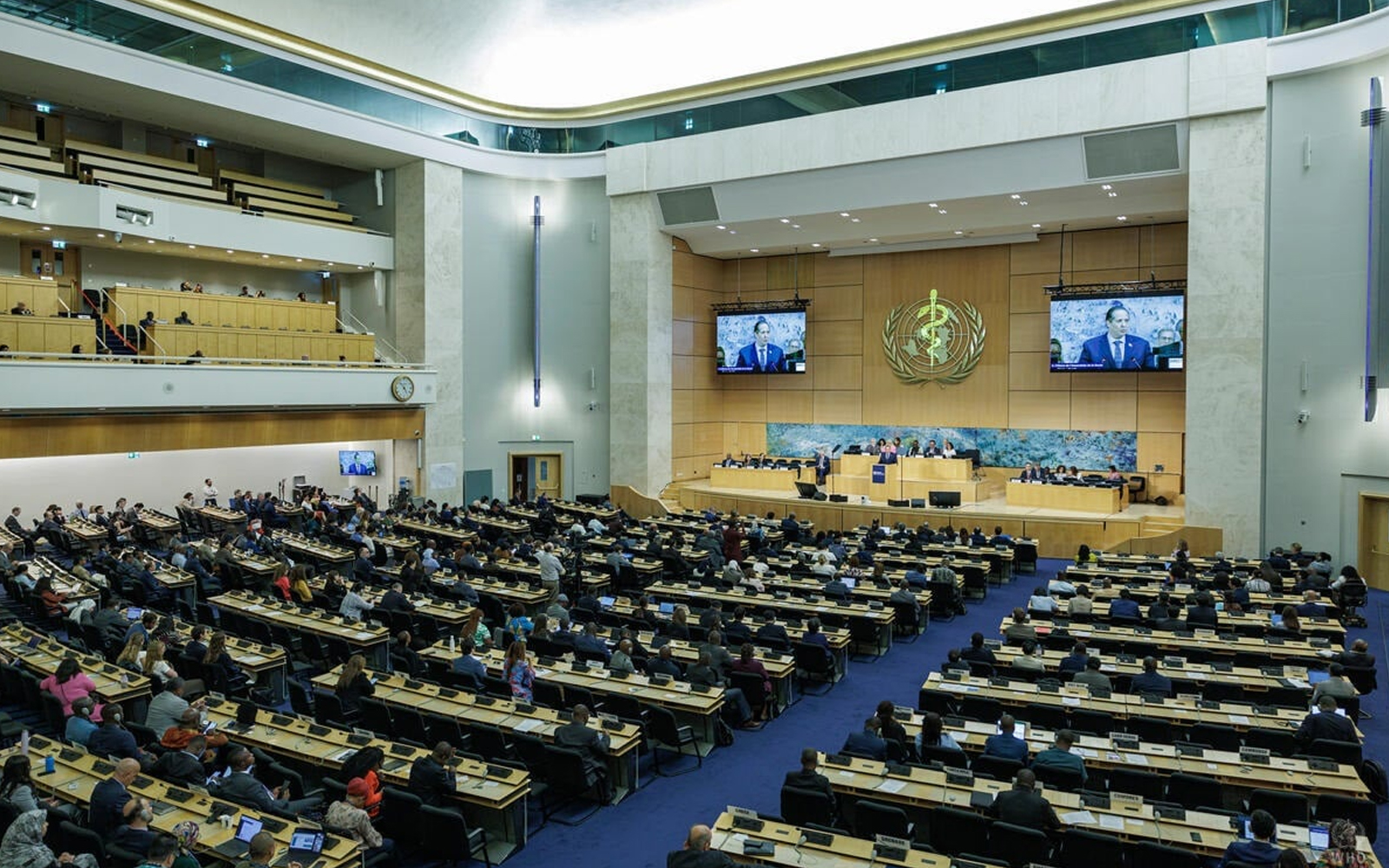
The World Health Assembly has adopted the updated Global Action Plan on Antimicrobial Resistance 2026 - 2036, giving countries a renewed 10-year roadmap to confront one of the most dangerous but often overlooked health threats in the world: infections that no longer respond to the medicines meant to treat them. Approved by Member States at the 79th World Health Assembly in Geneva, the plan builds on the original 2015 AMR strategy and uses a One Health approach, recognising that drug resistance is not only a hospital problem, but also linked to animal health, plant health, food systems, sanitation, the environment and how antibiotics and other antimicrobials are used across society. WHO says antimicrobial resistance remains a major global health and development challenge, and the updated plan calls for stronger surveillance, better infection prevention, responsible antimicrobial use, improved access to quality medicines, stronger laboratory systems, research and innovation, and coordinated action between health, agriculture and environmental sectors. For South Africa, where public hospitals already face pressure from infectious diseases, surgical infections, TB, HIV-related complications and limited resources, AMR is especially serious because it can turn routine infections, childbirth, cancer treatment, surgery and intensive-care admissions into higher-risk events. The message behind the new plan is clear: the world cannot afford to wait until antibiotics stop working at the bedside - antimicrobial resistance must be treated as a slow-moving emergency that demands prevention, smarter prescribing, cleaner facilities and stronger national action now.
From the Medical Directory library. For advice about your own health, speak to your healthcare professional.
JOIN THE CONVERSATION



No comments yet. Add a thoughtful question or comment about this article.