
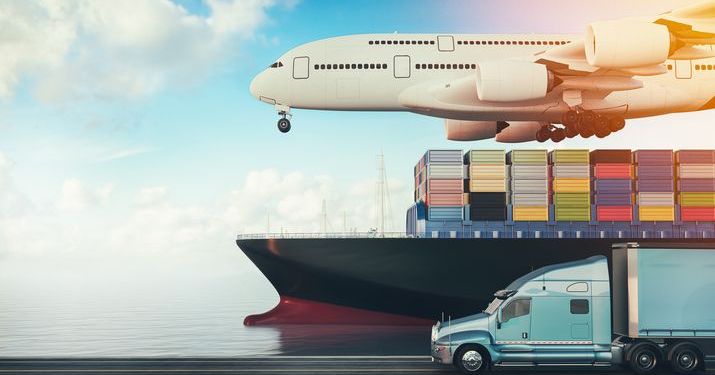
The transport and logistics industry is undergoing a transformative journey driven by advanced technologies such as artificial intelligence, machine learning, blockchain, and the Internet of Things. These innovations are reshaping operations, increasing efficiency, and improving supply chain visibility. According to PwC's 2023 Digital Trends in Supply Chain Survey, executives are prioritising investments in AI and machine learning over the next two years. These tools are expected to unlock growth opportunities, optimise costs, and enable better decision-making. To harness their full potential, organisations must also invest in data analytics capabilities and workforce upskilling.
Technology is playing a key role in addressing safety challenges within supply chains. For instance, automated sensors and camera monitors are enhancing road safety by supporting emergency braking, cargo locking, and fatigue management for drivers. A notable example is Amazon’s US$200 million (R3.7 billion) investment in safety technologies across its transportation network, setting a precedent for others in the industry. However, as supply chains become more interconnected, cyber security threats are on the rise. The zero-trust approach and cloud-integrated security services are becoming essential to mitigate cyber risks and ensure business continuity in the face of increasing incidents.
The rapid expansion of e-commerce has heightened the need for fast, reliable, and transparent delivery systems. Companies are leveraging automated vehicles, drones, and real-time fleet management systems to meet customer expectations. These technologies optimise delivery routes, enhance communication, and improve last-mile operations, driving both efficiency and cost reductions across the supply chain.
Sustainability is no longer optional for transport and logistics providers. Customers increasingly value brands with transparent, eco-conscious supply chains, as highlighted in a recent Deloitte study, where one-third of consumers indicated trust in brands that prioritise environmental and social responsibility. The shift toward renewable energy sources, electric vehicles, and route optimisation through IoT and data analytics is helping reduce carbon emissions, fuel consumption, and waste. Blockchain further improves supply chain traceability, enabling companies to meet global sustainability goals while maintaining operational efficiency.
The rise of interconnected digital platforms is fostering collaboration between suppliers, manufacturers, distributors, and logistics companies. By sharing resources and information in real time, businesses can improve agility, streamline operations, and respond more effectively to market disruptions. Collaboration is proving vital in navigating a landscape defined by high costs and uncertainty, opening doors for innovation and new business opportunities.
Transport and logistics companies must embrace digitalisation and innovation as core strategies to remain competitive in a rapidly evolving global market. By integrating advanced technology, prioritising sustainability, and fostering collaboration, the industry is paving the way for a more connected, efficient, and resilient supply chain ecosystem. The future of logistics is here, and it promises a smarter, greener, and more interconnected world.
Technology is playing a key role in addressing safety challenges within supply chains. For instance, automated sensors and camera monitors are enhancing road safety by supporting emergency braking, cargo locking, and fatigue management for drivers. A notable example is Amazon’s US$200 million (R3.7 billion) investment in safety technologies across its transportation network, setting a precedent for others in the industry. However, as supply chains become more interconnected, cyber security threats are on the rise. The zero-trust approach and cloud-integrated security services are becoming essential to mitigate cyber risks and ensure business continuity in the face of increasing incidents.
The rapid expansion of e-commerce has heightened the need for fast, reliable, and transparent delivery systems. Companies are leveraging automated vehicles, drones, and real-time fleet management systems to meet customer expectations. These technologies optimise delivery routes, enhance communication, and improve last-mile operations, driving both efficiency and cost reductions across the supply chain.
Sustainability is no longer optional for transport and logistics providers. Customers increasingly value brands with transparent, eco-conscious supply chains, as highlighted in a recent Deloitte study, where one-third of consumers indicated trust in brands that prioritise environmental and social responsibility. The shift toward renewable energy sources, electric vehicles, and route optimisation through IoT and data analytics is helping reduce carbon emissions, fuel consumption, and waste. Blockchain further improves supply chain traceability, enabling companies to meet global sustainability goals while maintaining operational efficiency.
The rise of interconnected digital platforms is fostering collaboration between suppliers, manufacturers, distributors, and logistics companies. By sharing resources and information in real time, businesses can improve agility, streamline operations, and respond more effectively to market disruptions. Collaboration is proving vital in navigating a landscape defined by high costs and uncertainty, opening doors for innovation and new business opportunities.
Transport and logistics companies must embrace digitalisation and innovation as core strategies to remain competitive in a rapidly evolving global market. By integrating advanced technology, prioritising sustainability, and fostering collaboration, the industry is paving the way for a more connected, efficient, and resilient supply chain ecosystem. The future of logistics is here, and it promises a smarter, greener, and more interconnected world.
About this article
From the Medical Directory library. For advice about your own health, speak to your healthcare professional.
JOIN THE CONVERSATION



No comments yet. Add a thoughtful question or comment about this article.