
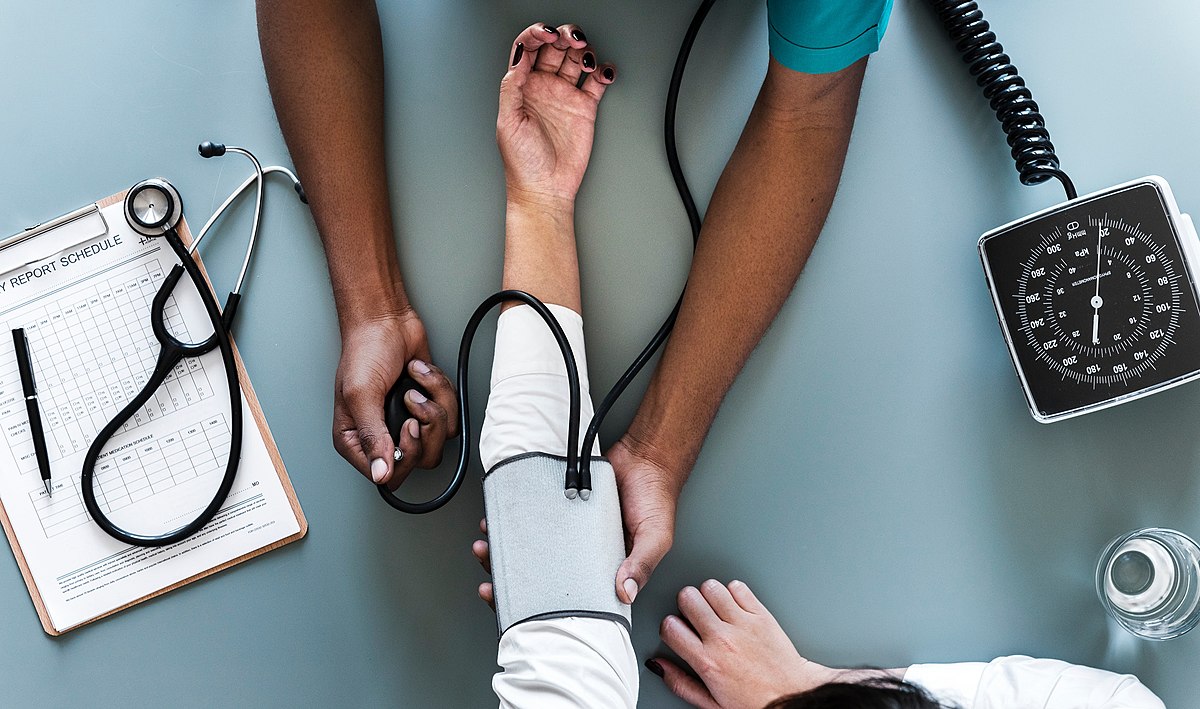
High blood pressure, widely referred to as hypertension, is a serious health issue affecting millions across South Africa. Often called the silent killer, this condition typically develops without symptoms, causing damage to the body long before most people even know they are at risk. The consequences are severe and include strokes, heart attacks, and kidney failure.
According to Lizeth Kruger, Executive at Dis-Chem Clinic, one of the most dangerous myths surrounding hypertension is the belief that it only affects older people. She notes that hypertension is increasingly being diagnosed in young adults, pregnant women, and even teenagers.
Kruger attributes this concerning trend to several contributing factors, including unhealthy lifestyles, chronic stress, poor dietary habits, and a lack of physical activity. Hypertension also frequently occurs alongside other medical conditions — forming part of what is known as metabolic syndrome. This cluster, which includes diabetes, high cholesterol, and obesity, greatly increases the risk of heart disease, strokes, and kidney complications.
According to Kruger, people need to understand that hypertension often develops without any obvious signs or symptoms. By the time it is diagnosed, significant damage may have already occurred within the body. This highlights the need for regular blood pressure monitoring as an essential part of preventive healthcare. Regardless of age or perceived fitness, routine checks can be lifesaving.
The good news is that hypertension is manageable, provided it is detected early. Kruger explains that lifestyle changes can significantly reduce the risk. High salt consumption, physical inactivity, obesity, excessive alcohol intake, and chronic stress all raise blood pressure levels. Embracing healthier habits — such as exercising regularly, eating a diet rich in fruits and vegetables, managing stress, and maintaining a healthy weight — can help lower these risks.
For those already living with hypertension, ongoing management is key. According to the World Health Organization, well-controlled hypertension can reduce the risk of heart disease by up to 35% and strokes by 40%. Taking medication consistently, undergoing regular check-ups, and closely monitoring ones blood pressure are crucial steps in preventing life-threatening complications.
Kruger emphasises the importance of changing public attitudes toward healthcare. She explains that South Africans must let go of the notion that health checks are only necessary when one feels sick. Regular screenings and a proactive approach to health can prevent long-term damage. When it comes to hypertension, early detection and intervention are powerful tools that can ultimately save lives.
By promoting a culture of preventative care and regular health screenings, South Africa can take a major step in addressing the growing threat of hypertension and improving the well-being of its people.
According to Lizeth Kruger, Executive at Dis-Chem Clinic, one of the most dangerous myths surrounding hypertension is the belief that it only affects older people. She notes that hypertension is increasingly being diagnosed in young adults, pregnant women, and even teenagers.
Kruger attributes this concerning trend to several contributing factors, including unhealthy lifestyles, chronic stress, poor dietary habits, and a lack of physical activity. Hypertension also frequently occurs alongside other medical conditions — forming part of what is known as metabolic syndrome. This cluster, which includes diabetes, high cholesterol, and obesity, greatly increases the risk of heart disease, strokes, and kidney complications.
According to Kruger, people need to understand that hypertension often develops without any obvious signs or symptoms. By the time it is diagnosed, significant damage may have already occurred within the body. This highlights the need for regular blood pressure monitoring as an essential part of preventive healthcare. Regardless of age or perceived fitness, routine checks can be lifesaving.
The good news is that hypertension is manageable, provided it is detected early. Kruger explains that lifestyle changes can significantly reduce the risk. High salt consumption, physical inactivity, obesity, excessive alcohol intake, and chronic stress all raise blood pressure levels. Embracing healthier habits — such as exercising regularly, eating a diet rich in fruits and vegetables, managing stress, and maintaining a healthy weight — can help lower these risks.
For those already living with hypertension, ongoing management is key. According to the World Health Organization, well-controlled hypertension can reduce the risk of heart disease by up to 35% and strokes by 40%. Taking medication consistently, undergoing regular check-ups, and closely monitoring ones blood pressure are crucial steps in preventing life-threatening complications.
Kruger emphasises the importance of changing public attitudes toward healthcare. She explains that South Africans must let go of the notion that health checks are only necessary when one feels sick. Regular screenings and a proactive approach to health can prevent long-term damage. When it comes to hypertension, early detection and intervention are powerful tools that can ultimately save lives.
By promoting a culture of preventative care and regular health screenings, South Africa can take a major step in addressing the growing threat of hypertension and improving the well-being of its people.
About this article
From the Medical Directory library. For advice about your own health, speak to your healthcare professional.
JOIN THE CONVERSATION



No comments yet. Add a thoughtful question or comment about this article.