
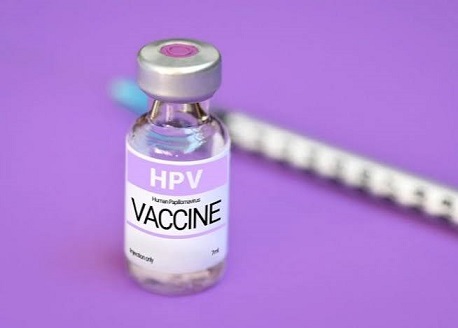
More than a decade after South Africa introduced its school-based human papillomavirus (HPV) vaccination programme in 2014, new research has revealed encouraging progress in the fight against cervical cancer. A landmark study involving 2,357 adolescent girls across four provinces found that infections caused by HPV types 16 and 18, responsible for approximately 70% of cervical cancer cases, were 83% lower among girls eligible for vaccination than among an earlier group who were not eligible. The programme has already reached millions of South African girls, with more than 3.6 million benefiting from vaccination and over 7.2 million doses administered by early 2026. Particularly encouraging is the significant reduction in high-risk HPV infections among girls living with HIV, a population more vulnerable to cervical cancer. Despite these achievements, challenges remain, including reaching girls who miss school vaccinations, improving access in underserved communities and ensuring women receive regular cervical cancer screening. South Africa's national strategy aims to vaccinate 90% of girls by age 15, screen 70% of women at recommended ages and provide appropriate treatment to 90% of women diagnosed with cervical disease. Researchers emphasise that while reductions in HPV infections are a strong early indication of future cancer prevention, it will take years before the programme's full impact on cervical cancer cases and deaths can be measured. Nevertheless, the findings demonstrate the remarkable potential of vaccination to protect future generations and bring South Africa closer to eliminating cervical cancer as a public health threat.
From the Medical Directory library. For advice about your own health, speak to your healthcare professional.
JOIN THE CONVERSATION


No comments yet. Add a thoughtful question or comment about this article.