
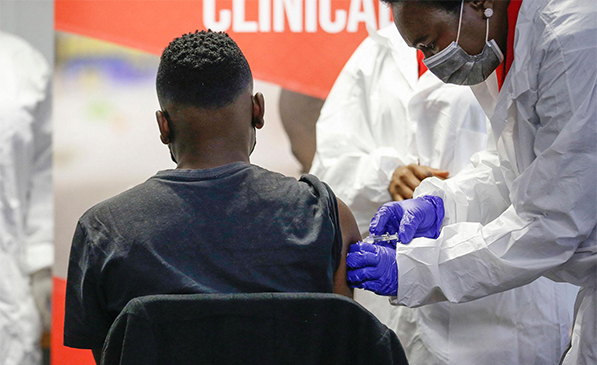
South Africa's medical research sector is entering a critical period of adjustment as scientists, universities, and public health institutions respond to significant disruptions caused by reduced international funding, particularly in areas such as HIV, tuberculosis, and vaccine development where the country has long been a global leader in innovation and clinical trials. The pause and decline in donor-supported grants have raised concerns over delayed studies, reduced laboratory capacity, and the potential loss of highly skilled researchers, placing pressure on projects that directly influence national healthcare outcomes and disease prevention strategies. In response, health experts and research leaders are calling for stronger domestic investment, more sustainable local funding partnerships, and greater collaboration between government, private healthcare, and academic institutions to protect scientific progress and ensure long-term resilience. With South Africa carrying one of the world's highest HIV and TB burdens, safeguarding medical research is not only essential for future discoveries but also for maintaining life-saving treatment programmes, strengthening public health systems, and preserving the country's position at the forefront of African medical innovation.
From the Medical Directory library. For advice about your own health, speak to your healthcare professional.
JOIN THE CONVERSATION



No comments yet. Add a thoughtful question or comment about this article.