
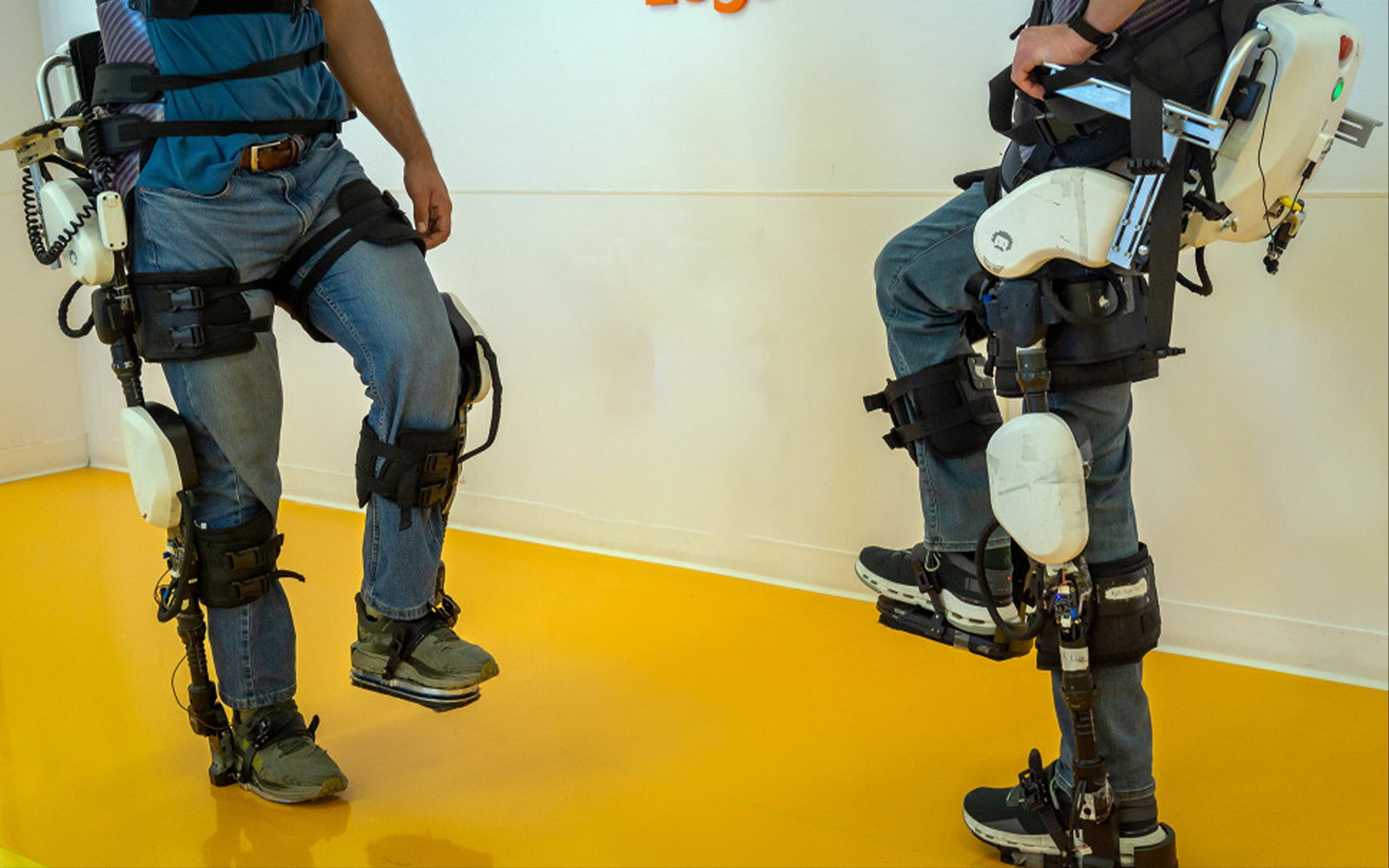
A new rehabilitation-technology study from Northwestern University and Shirley Ryan AbilityLab suggests that robotic exoskeletons could change how stroke survivors relearn walking by allowing therapists and patients to interact through a virtual physical connection. Published in Science Robotics and reported on 18 June 2026, the system is called therapist-exoskeleton-patient interaction, or TEPI, and works by placing both the therapist and the stroke survivor in lower-limb robotic exoskeletons that are virtually connected at the hips and knees. This digital link behaves like a combination of springs and shock absorbers, allowing the therapist to guide movement while also receiving real-time feedback from the patient's walking pattern. In early testing with chronic stroke survivors, the approach helped improve movement quality, step control, muscle activation and motivation compared with conventional therapist-guided treadmill walking. The technology is still in the research stage, but its promise is powerful: it combines robotic precision with a therapist's clinical judgement, while potentially reducing the physical strain on rehabilitation professionals. For countries with uneven access to specialist stroke therapy, including South Africa, systems like this point toward a future where advanced rehabilitation could reach more patients, support remote care and help survivors rebuild confidence one step at a time.
From the Medical Directory library. For advice about your own health, speak to your healthcare professional.
JOIN THE CONVERSATION



No comments yet. Add a thoughtful question or comment about this article.