
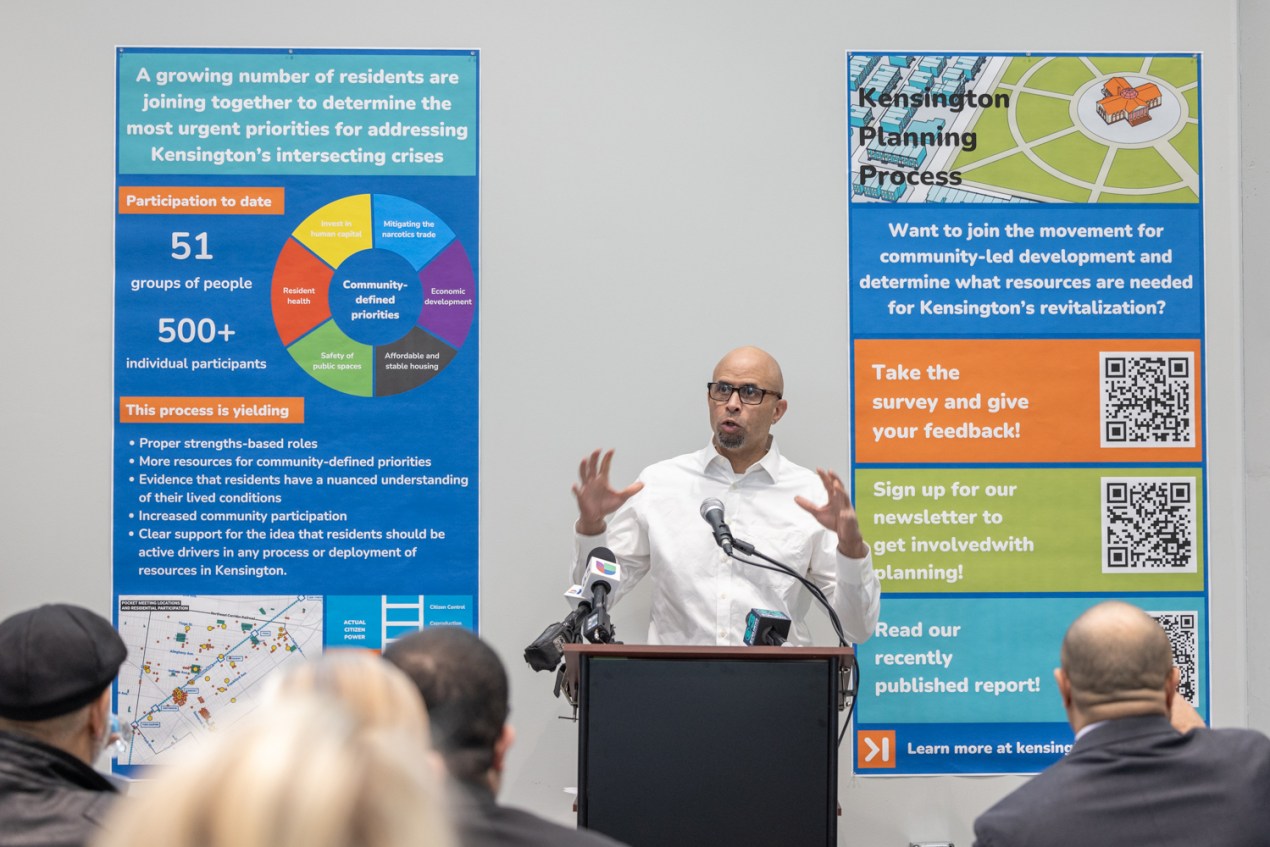
On June 20, the conversation about the future of Kensington, a Philadelphia neighborhood deeply affected by the opioid crisis, took a troubling turn. The city had allocated $7.5 million from opioid settlement funds to improve the quality of life in Kensington, but a Pennsylvania oversight board was about to vote on whether to overturn that decision. The outcome would have significant implications not only for Kensington residents but for communities across the state, potentially setting a precedent for future spending of opioid settlement funds.
However, many stakeholders were left out of the discussion. Pennsylvania's opioid settlement oversight board, unlike about two dozen similar councils across the country, does not allow public comment during its meetings. This exclusionary practice has sparked criticism from residents and advocates who feel that those most affected by the opioid crisis are being denied a voice in crucial decisions.
Bill McKinney, a Kensington resident whose nonprofit is involved in the city’s settlement-funded initiatives, expressed frustration: “It’s another moment where folks not connected to this community are making decisions for this community, and I think that’s inappropriate.” McKinney's sentiment reflects a broader concern that those dealing directly with the opioid crisis are systematically shut out of having meaningful input on how the settlement funds—money many consider "blood money"—should be used.
A survey conducted by KFF Health News and Spotlight PA found that in at least 39 states and Washington, D.C., councils composed of government officials, clinicians, and law enforcement officers guide the allocation of opioid settlement funds. These councils are shaping addiction policy at a time when more than 100,000 Americans are dying from overdoses annually. Yet, in at least 14 states, including Pennsylvania, these councils block the public from speaking at meetings, with four of them conducting their meetings entirely in secret, preventing public attendance or observation.
However, many stakeholders were left out of the discussion. Pennsylvania's opioid settlement oversight board, unlike about two dozen similar councils across the country, does not allow public comment during its meetings. This exclusionary practice has sparked criticism from residents and advocates who feel that those most affected by the opioid crisis are being denied a voice in crucial decisions.
Bill McKinney, a Kensington resident whose nonprofit is involved in the city’s settlement-funded initiatives, expressed frustration: “It’s another moment where folks not connected to this community are making decisions for this community, and I think that’s inappropriate.” McKinney's sentiment reflects a broader concern that those dealing directly with the opioid crisis are systematically shut out of having meaningful input on how the settlement funds—money many consider "blood money"—should be used.
A survey conducted by KFF Health News and Spotlight PA found that in at least 39 states and Washington, D.C., councils composed of government officials, clinicians, and law enforcement officers guide the allocation of opioid settlement funds. These councils are shaping addiction policy at a time when more than 100,000 Americans are dying from overdoses annually. Yet, in at least 14 states, including Pennsylvania, these councils block the public from speaking at meetings, with four of them conducting their meetings entirely in secret, preventing public attendance or observation.
About this article
From the Medical Directory library. For advice about your own health, speak to your healthcare professional.
JOIN THE CONVERSATION



No comments yet. Add a thoughtful question or comment about this article.