
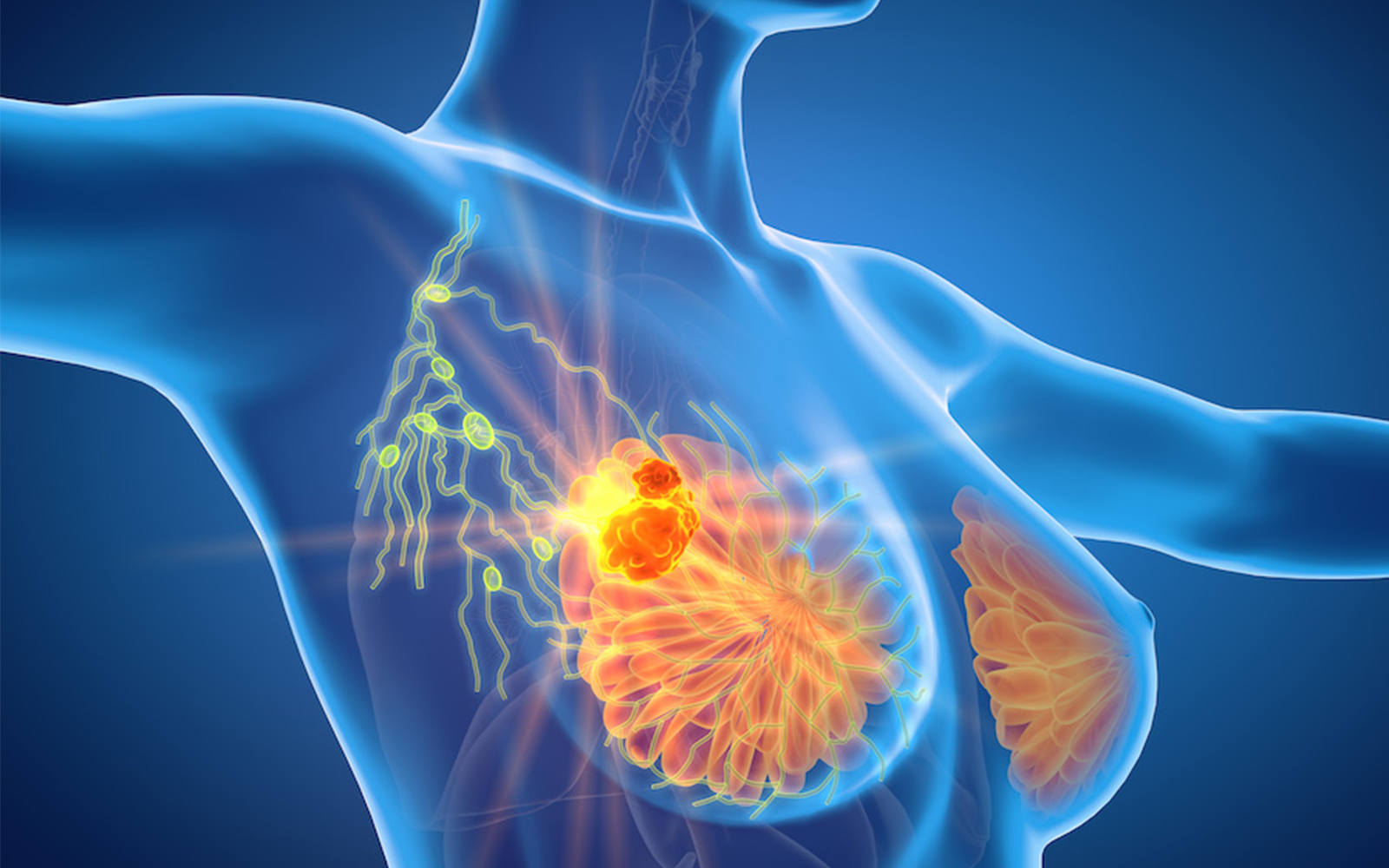
Scientists studying breast cancer have identified important genetic changes that may explain why some tumours eventually stop responding to commonly used CDK4/6 inhibitor treatments, a major class of targeted therapies used for advanced hormone-receptor-positive breast cancer. By analysing genomic data from thousands of breast cancer patients, researchers discovered that specific inherited and acquired mutations - particularly those affecting genes involved in DNA repair and tumour growth - can enable cancer cells to resist these therapies and continue growing despite treatment. Understanding these genetic mechanisms allows researchers to identify patients who may be at higher risk of treatment resistance and could help doctors tailor therapies more effectively in the future. Experts believe the discovery could lead to new combination treatments and personalised medicine strategies designed to overcome drug resistance, ultimately improving survival and treatment outcomes for patients with advanced breast cancer.
From the Medical Directory library. For advice about your own health, speak to your healthcare professional.
JOIN THE CONVERSATION



No comments yet. Add a thoughtful question or comment about this article.