
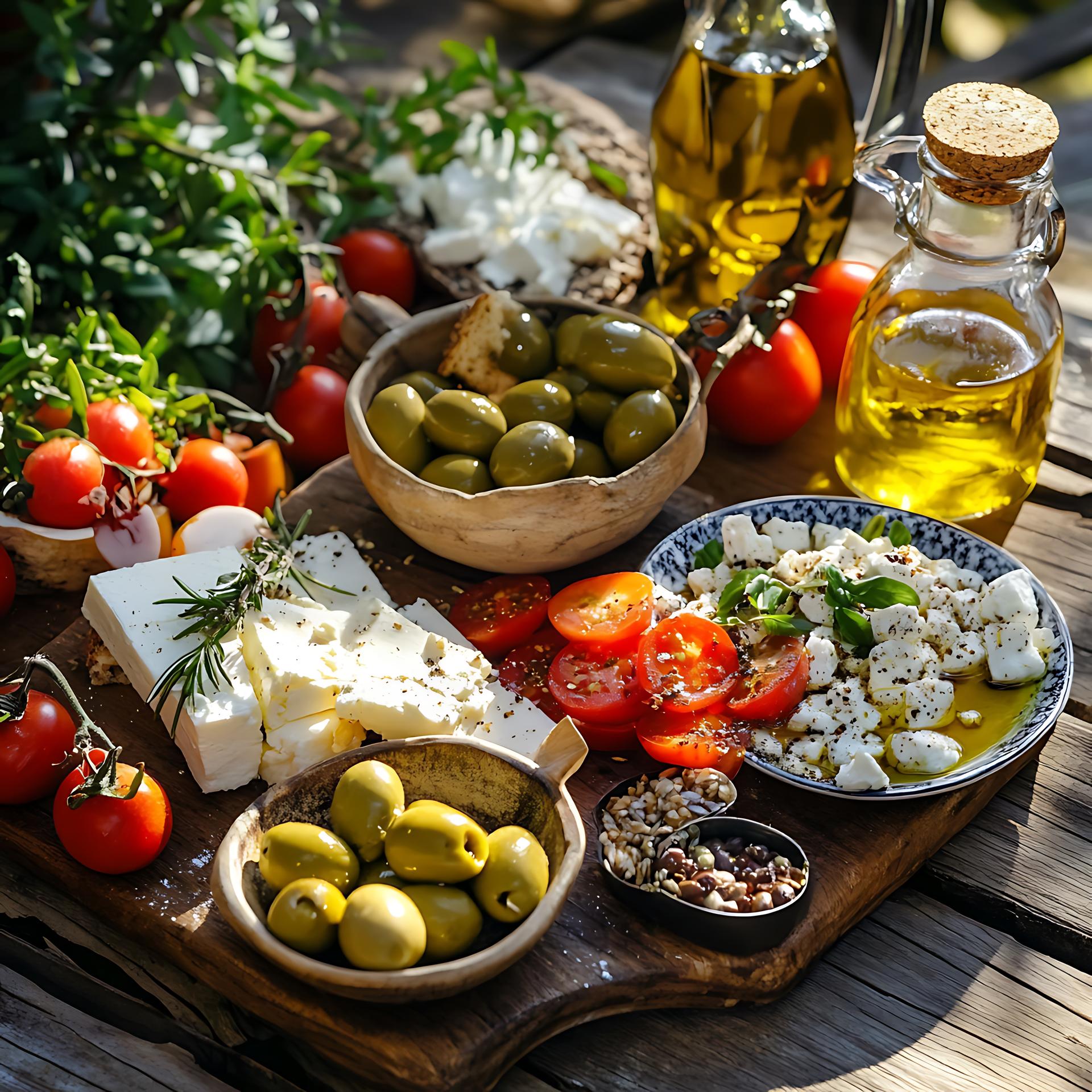
The age-old belief, often attributed to Hippocrates, that food itself can serve as medicine, remains strikingly relevant in modern times. In an era filled with quick-fix diets and fleeting wellness trends, the Mediterranean diet continues to shine as a balanced, enjoyable, and scientifically backed way of eating that benefits both heart and digestive health.
Unlike restrictive eating plans that cut out entire food groups, the Mediterranean diet is flexible and abundant. Originating from coastal nations such as Italy, Greece, and Spain, this approach highlights fruits, vegetables, beans, whole grains, olive oil, nuts, and seeds. Fish, poultry, and dairy are enjoyed in moderation, while red meat is eaten sparingly. Social connection and mindful eating are also central, turning meals into moments of nourishment and togetherness rather than rushed refueling.
Studies dating back to the 1960s first drew attention to the Mediterranean lifestyle when researchers noticed lower rates of heart disease among populations in Southern Europe. Since then, countless studies have linked this diet to reduced risks of cardiovascular disease, diabetes, certain cancers, dementia, and obesity.
Nutrition experts emphasise that its benefits extend beyond the heart. A healthy gut microbiome—the trillions of bacteria in the digestive tract—is now recognised as vital for immunity, mental well-being, and disease prevention. The Mediterranean diet nurtures this ecosystem by encouraging the growth of beneficial bacteria and reducing harmful strains.
Here’s why it supports gut health:
• Fruits and vegetables provide fibre and plant compounds that feed healthy bacteria, producing short-chain fatty acids that strengthen the gut lining and ease inflammation.
• Healthy fats from olive oil encourage the growth of protective microbes while limiting those linked to illness.
• Whole grains and legumes act as prebiotics, fuelling bacteria that improve digestion and nutrient absorption.
• Fermented foods, though not traditional staples, can be added to enhance microbial diversity by delivering live beneficial bacteria.
Research from Harvard Health confirms that dietary patterns like this positively shape gut bacteria, offering protection against inflammation and chronic disease.
Adopting the Mediterranean diet doesn’t require dramatic change. Small shifts—such as replacing butter with olive oil, choosing fish over red meat, or snacking on nuts instead of chips—can have lasting effects. Just as important is the cultural emphasis on slowing down, sharing meals, and enjoying food without distraction.
Practical meal ideas include overnight oats with walnuts, a quinoa and shrimp salad, grilled salmon with vegetables, or lentil bowls with chicken. These dishes are easy to prepare, nourishing, and rich in gut-friendly ingredients.
According to nutrition experts, consistency is key: each meal has the power to strengthen both body and mind.
Unlike restrictive eating plans that cut out entire food groups, the Mediterranean diet is flexible and abundant. Originating from coastal nations such as Italy, Greece, and Spain, this approach highlights fruits, vegetables, beans, whole grains, olive oil, nuts, and seeds. Fish, poultry, and dairy are enjoyed in moderation, while red meat is eaten sparingly. Social connection and mindful eating are also central, turning meals into moments of nourishment and togetherness rather than rushed refueling.
Studies dating back to the 1960s first drew attention to the Mediterranean lifestyle when researchers noticed lower rates of heart disease among populations in Southern Europe. Since then, countless studies have linked this diet to reduced risks of cardiovascular disease, diabetes, certain cancers, dementia, and obesity.
Nutrition experts emphasise that its benefits extend beyond the heart. A healthy gut microbiome—the trillions of bacteria in the digestive tract—is now recognised as vital for immunity, mental well-being, and disease prevention. The Mediterranean diet nurtures this ecosystem by encouraging the growth of beneficial bacteria and reducing harmful strains.
Here’s why it supports gut health:
• Fruits and vegetables provide fibre and plant compounds that feed healthy bacteria, producing short-chain fatty acids that strengthen the gut lining and ease inflammation.
• Healthy fats from olive oil encourage the growth of protective microbes while limiting those linked to illness.
• Whole grains and legumes act as prebiotics, fuelling bacteria that improve digestion and nutrient absorption.
• Fermented foods, though not traditional staples, can be added to enhance microbial diversity by delivering live beneficial bacteria.
Research from Harvard Health confirms that dietary patterns like this positively shape gut bacteria, offering protection against inflammation and chronic disease.
Adopting the Mediterranean diet doesn’t require dramatic change. Small shifts—such as replacing butter with olive oil, choosing fish over red meat, or snacking on nuts instead of chips—can have lasting effects. Just as important is the cultural emphasis on slowing down, sharing meals, and enjoying food without distraction.
Practical meal ideas include overnight oats with walnuts, a quinoa and shrimp salad, grilled salmon with vegetables, or lentil bowls with chicken. These dishes are easy to prepare, nourishing, and rich in gut-friendly ingredients.
According to nutrition experts, consistency is key: each meal has the power to strengthen both body and mind.
About this article
From the Medical Directory library. For advice about your own health, speak to your healthcare professional.
JOIN THE CONVERSATION


No comments yet. Add a thoughtful question or comment about this article.