
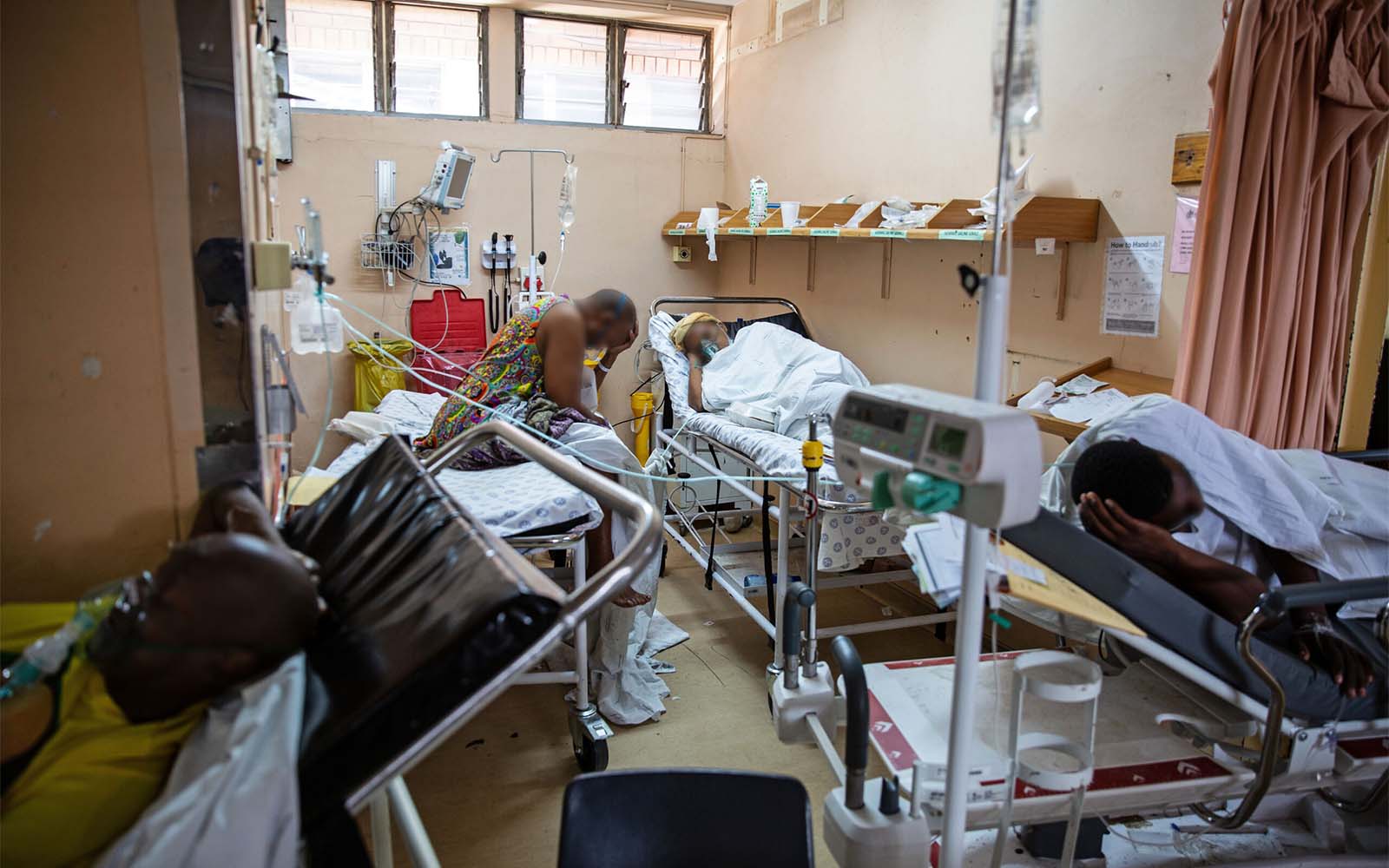
Universal Health Coverage Day Highlights Systemic Inequality
On Universal Health Coverage Day South Africa Health Minister Aaron Motsoaledi issued a strong warning about the rising cost of healthcare and its impact on access to medical services for millions of South Africans. Speaking at a national event aligned with global Universal Health Coverage commitments the minister said current funding structures and pricing models continue to exclude the poorest and most vulnerable patients from quality care.
Rising Costs Undermine Access to Care
The minister highlighted that while South Africa spends a significant portion of its healthcare budget in the private sector the majority of citizens rely on an overstretched public health system. High costs medical inflation and uneven resource allocation were identified as key barriers preventing equitable access to essential services including specialist care diagnostics and lifesaving treatments.
National Health Insurance as a Reform Tool
Motsoaledi reiterated that the National Health Insurance initiative remains central to addressing structural inequalities in the healthcare system. He described NHI as a mechanism to pool resources more effectively reduce out of pocket costs and ensure that healthcare access is determined by need rather than income. The remarks come amid ongoing national debate about the pace funding and implementation of the reform.
Aligning South Africa with Global Health Goals
Universal Health Coverage Day is marked worldwide to promote the principle that everyone should have access to quality healthcare without financial hardship. The minister stressed that achieving this goal in South Africa will require decisive policy action improved governance and sustained investment in public healthcare infrastructure. He warned that without reform the gap between private and public healthcare would continue to widen undermining both social equity and long-term public health outcomes.
On Universal Health Coverage Day South Africa Health Minister Aaron Motsoaledi issued a strong warning about the rising cost of healthcare and its impact on access to medical services for millions of South Africans. Speaking at a national event aligned with global Universal Health Coverage commitments the minister said current funding structures and pricing models continue to exclude the poorest and most vulnerable patients from quality care.
Rising Costs Undermine Access to Care
The minister highlighted that while South Africa spends a significant portion of its healthcare budget in the private sector the majority of citizens rely on an overstretched public health system. High costs medical inflation and uneven resource allocation were identified as key barriers preventing equitable access to essential services including specialist care diagnostics and lifesaving treatments.
National Health Insurance as a Reform Tool
Motsoaledi reiterated that the National Health Insurance initiative remains central to addressing structural inequalities in the healthcare system. He described NHI as a mechanism to pool resources more effectively reduce out of pocket costs and ensure that healthcare access is determined by need rather than income. The remarks come amid ongoing national debate about the pace funding and implementation of the reform.
Aligning South Africa with Global Health Goals
Universal Health Coverage Day is marked worldwide to promote the principle that everyone should have access to quality healthcare without financial hardship. The minister stressed that achieving this goal in South Africa will require decisive policy action improved governance and sustained investment in public healthcare infrastructure. He warned that without reform the gap between private and public healthcare would continue to widen undermining both social equity and long-term public health outcomes.
About this article
From the Medical Directory library. For advice about your own health, speak to your healthcare professional.
JOIN THE CONVERSATION



No comments yet. Add a thoughtful question or comment about this article.