
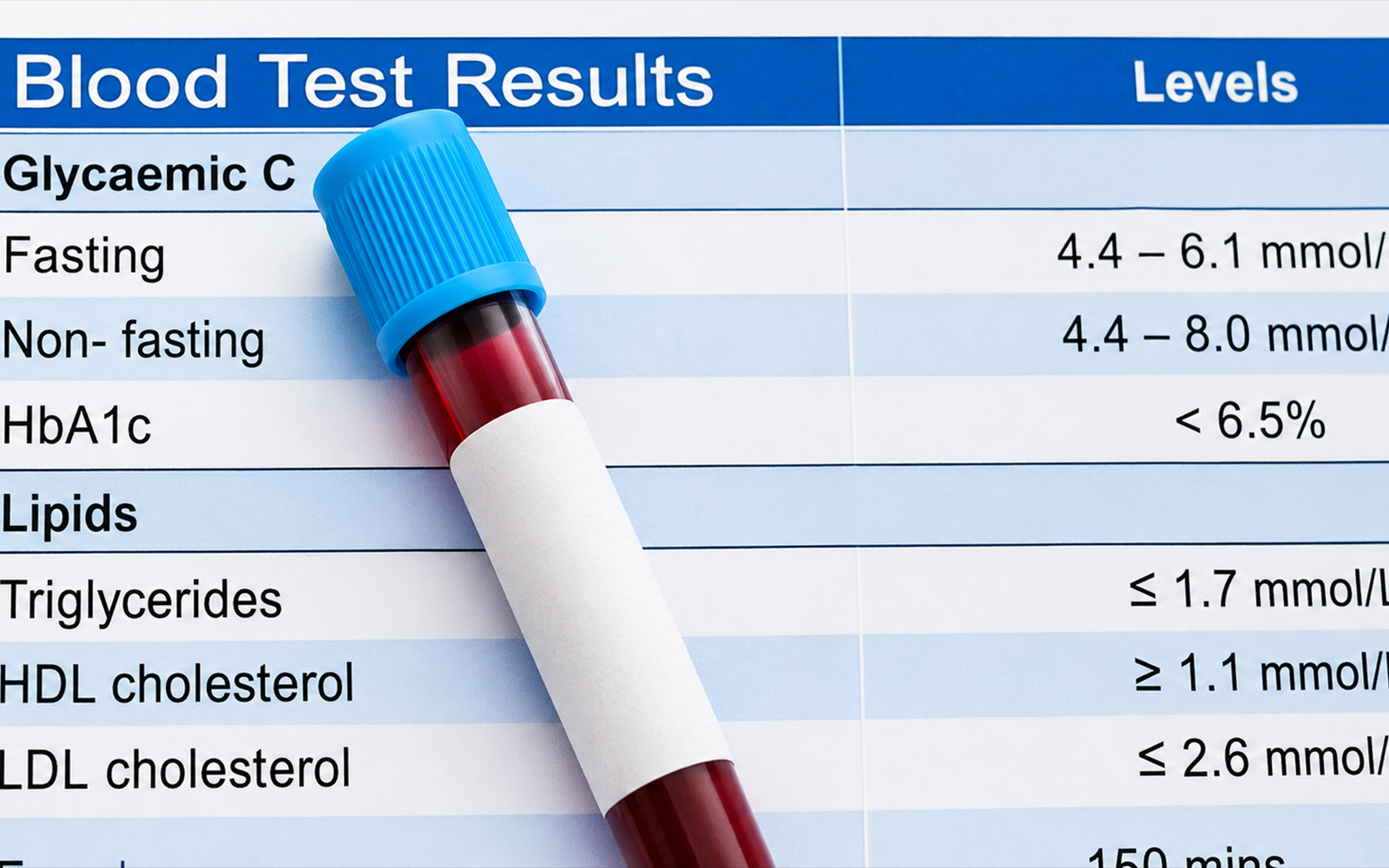
A new early-stage study published in the New England Journal of Medicine has pushed cardiovascular medicine into a bold new territory, showing that a single infusion of the investigational base-editing therapy VERVE-102 can produce sustained reductions in PCSK9 protein and LDL cholesterol, often called "bad cholesterol", in adults with heterozygous familial hypercholesterolemia or premature coronary artery disease. In the ongoing Phase 1b Heart-2 trial, 35 high-risk participants received one intravenous dose across several dose levels, with results showing dose-dependent mean PCSK9 reductions from 51% to 88% and LDL-C reductions reaching up to 62% at the highest dose; some participants were followed for as long as 18 months, suggesting the effect may be durable. VERVE-102 works by using base-editing technology to inactivate the PCSK9 gene in the liver, aiming to mimic the lifelong cholesterol protection seen in people naturally born with loss-of-function PCSK9 variants. Researchers reported no treatment-related serious adverse events, dose-limiting toxicities or study withdrawals in this interim analysis, although low-grade infusion reactions and fatigue were noted. The findings are exciting because they point toward a possible future where certain high-risk cholesterol patients may not need lifelong tablets or repeated injections, but experts caution that this remains an early trial: larger studies are still needed to confirm long-term safety, durability and whether the LDL reductions translate into fewer heart attacks, strokes and cardiovascular deaths.
From the Medical Directory library. For advice about your own health, speak to your healthcare professional.
JOIN THE CONVERSATION


No comments yet. Add a thoughtful question or comment about this article.