
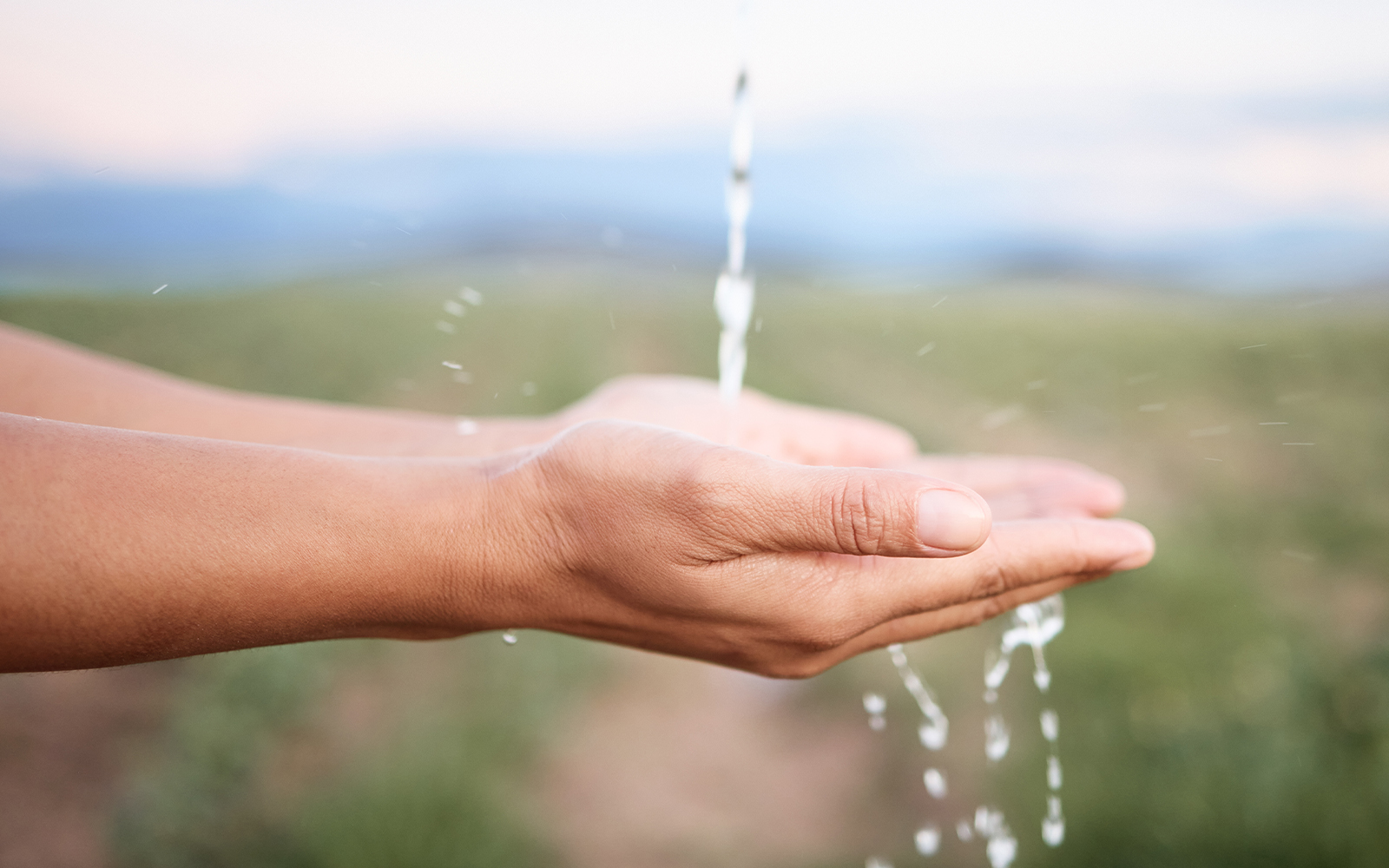
A new global study led by researchers from the University of Southern California and the International Water Management Institute has found that people without access to clean drinking water are significantly more likely to experience food insecurity and food-safety risks, showing that water access is not only a sanitation issue but also a nutrition and public-health priority. Published in Nature Food, the study analysed survey data from 124,003 people across 121 countries and found that the link between unsafe or unreliable drinking water and food insecurity appeared across income levels and regions, including wealthy countries. The reason is practical and deeply human: without clean water, families struggle to prepare food safely, wash hands and utensils, cook properly, protect children from diarrhoeal disease, and avoid spending extra time or money searching for water instead of securing food. For Africa and South Africa, where water interruptions, poor infrastructure, drought, informal settlements and food-price pressures already affect many communities, the finding reinforces a major public-health message: safe water, safe food and household nutrition cannot be treated as separate problems. The study calls for stronger investment in clean-water infrastructure, sanitation and community-based public-health programmes, especially in vulnerable and underserved areas.
From the Medical Directory library. For advice about your own health, speak to your healthcare professional.
JOIN THE CONVERSATION



No comments yet. Add a thoughtful question or comment about this article.