
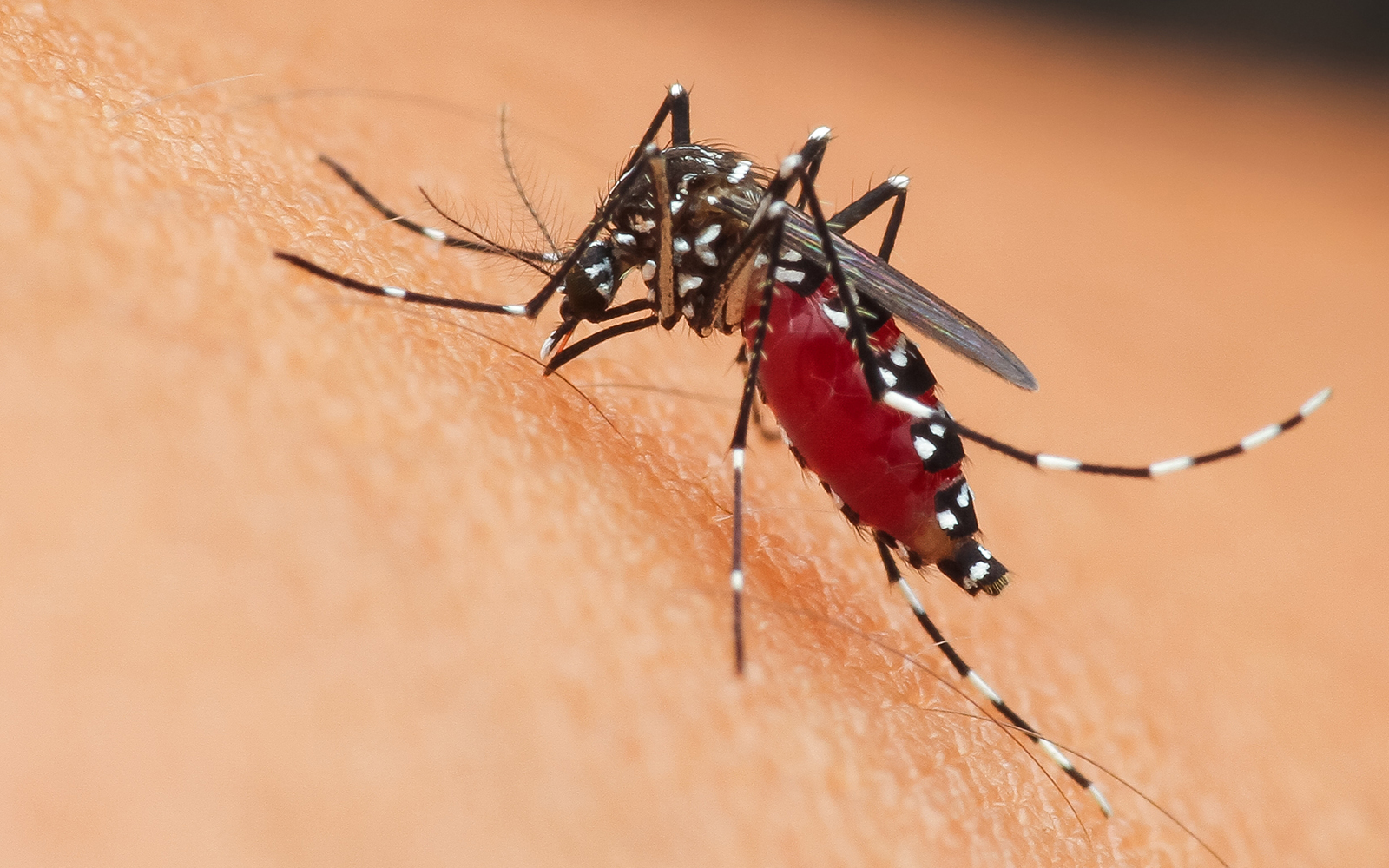
A new wave of scientific research is raising alarm over the effectiveness of modern insecticide-treated bed nets in combating malaria, as studies reveal that recent changes in the chemical coatings used on these nets may be reducing their ability to kill or repel mosquitoes, potentially undermining one of the most widely deployed and cost-effective tools in global malaria prevention, with researchers finding that alterations in formulation-often intended to improve durability or reduce costs-can inadvertently weaken the release or potency of insecticides over time, thereby allowing greater mosquito survival and increasing the risk of transmission in vulnerable regions, particularly across parts of sub-Saharan Africa; the findings have prompted concern among public health experts and organisations such as the World Health Organization, who rely heavily on these nets as a frontline defence, while the study underscores the urgent need for stricter quality control, improved product testing, and renewed investment in next-generation vector control technologies, with key factors influencing the global response including manufacturing standards, resistance management, funding for innovation, and the speed at which updated guidelines can be implemented to safeguard decades of progress in reducing malaria-related illness and deaths.
From the Medical Directory library. For advice about your own health, speak to your healthcare professional.
JOIN THE CONVERSATION



No comments yet. Add a thoughtful question or comment about this article.