
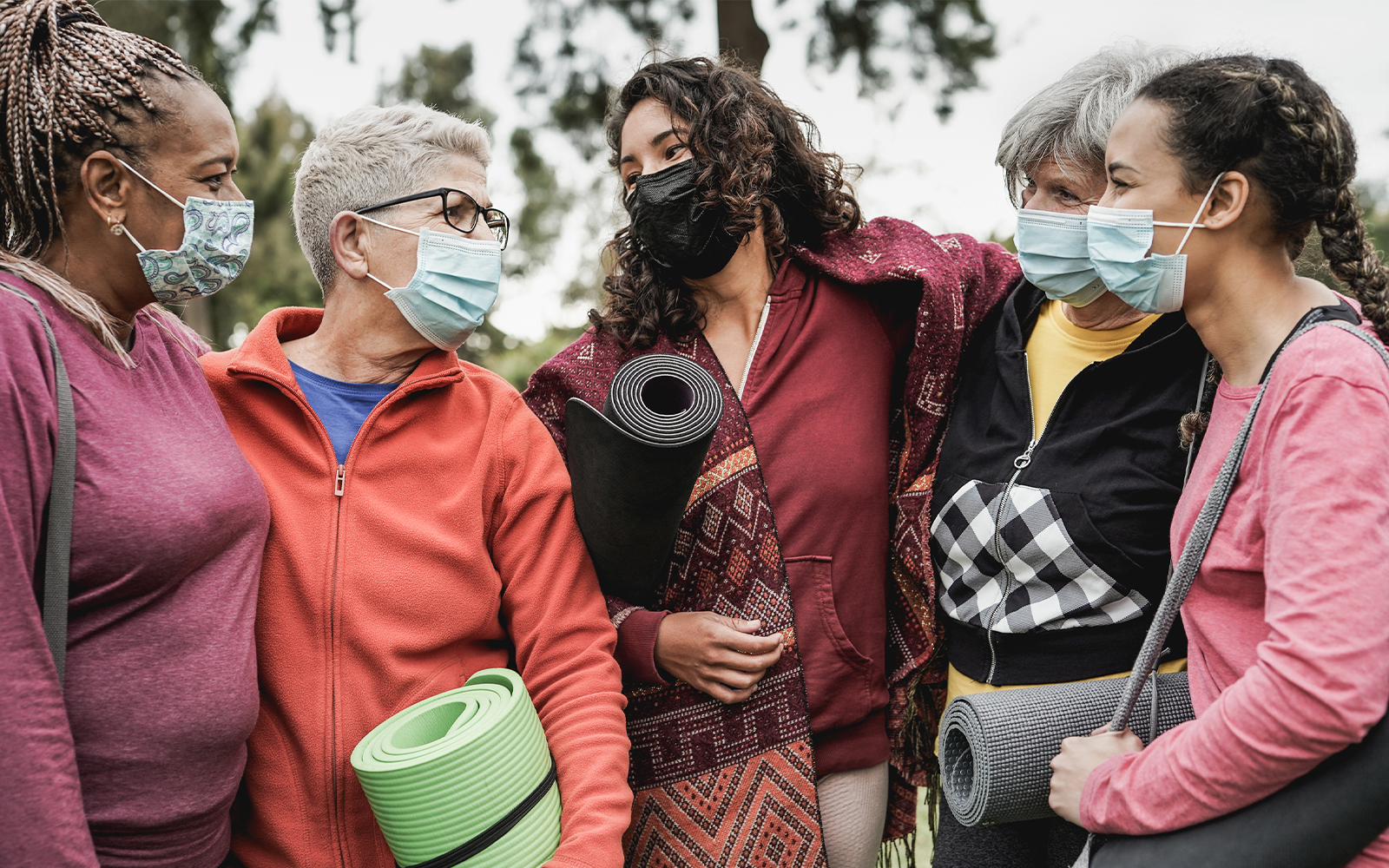
Groundbreaking global research is reinforcing a critical reality in modern healthcare: social and economic conditions are as influential as medical treatment in determining health outcomes, a finding that resonates deeply within South Africa's complex healthcare landscape where poverty, inequality, and uneven access to services continue to drive disease burden across communities. Studies show that individuals living in lower-income environments face significantly higher risks of chronic illnesses, infectious diseases, and reduced life expectancy, largely due to limited access to quality healthcare, poor living conditions, nutritional challenges, and delayed medical intervention, all of which compound over time to create systemic health disparities. In South Africa, where stark contrasts exist between well-resourced private healthcare and overstretched public facilities, these social determinants play a defining role in shaping patient outcomes, particularly in rural and underserved areas where infrastructure and medical staffing remain constrained. As policymakers and health experts increasingly shift focus toward preventative care and holistic health strategies, there is growing recognition that addressing inequality, improving education, and expanding access to essential services are not just social priorities but fundamental components of an effective and sustainable healthcare system.
From the Medical Directory library. For advice about your own health, speak to your healthcare professional.
JOIN THE CONVERSATION



No comments yet. Add a thoughtful question or comment about this article.