
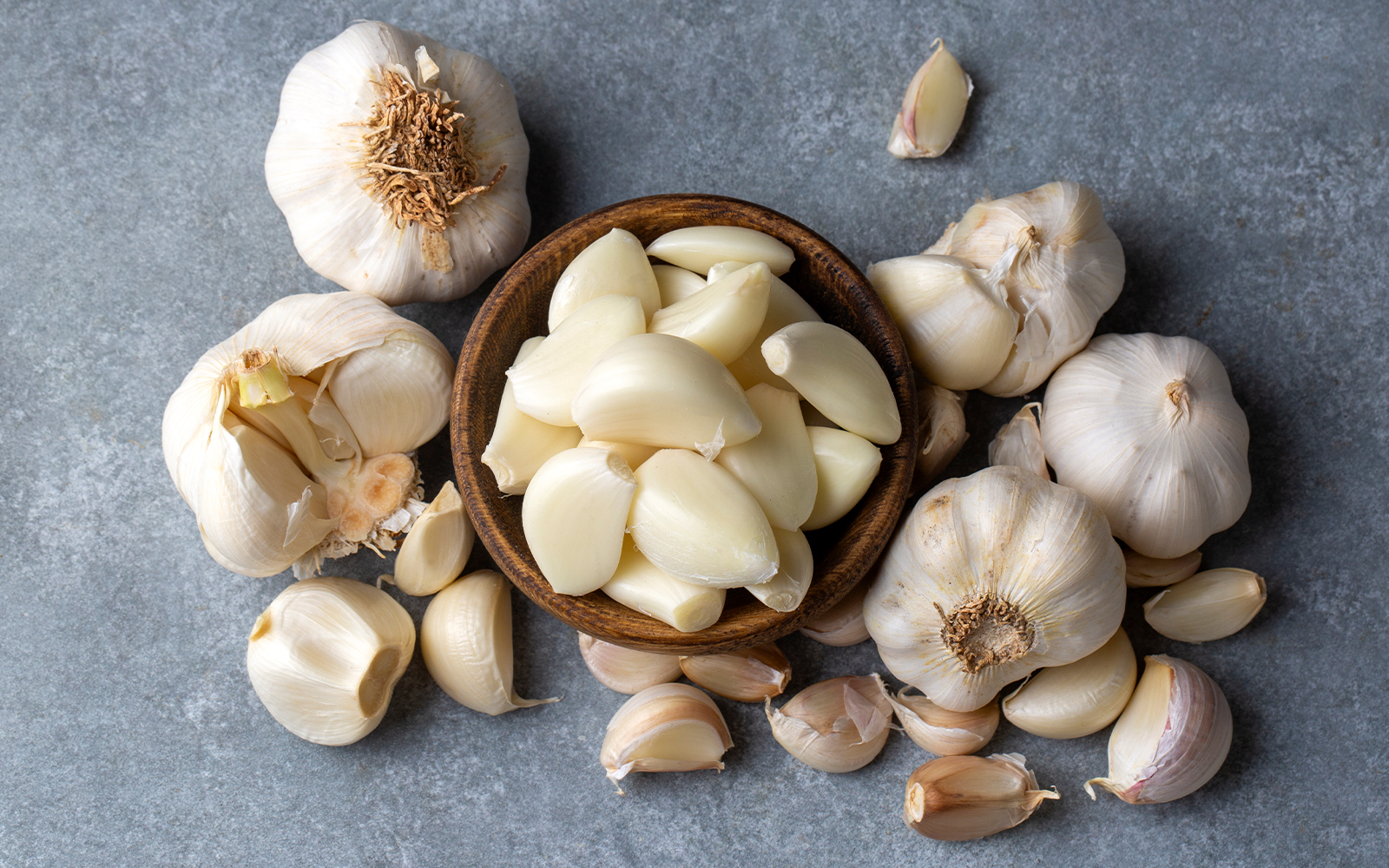
Garlic is widely valued for its strong flavour and potential health-supporting properties, mainly because it contains sulphur compounds such as allicin, which may help support heart health, circulation and immune function. It is also rich in antioxidants that help protect cells from oxidative stress and may have mild antibacterial and anti-inflammatory effects. Regular use of garlic in meals may support healthy blood pressure and cholesterol levels as part of a balanced diet, especially when combined with other healthy lifestyle choices. However, garlic can also have downsides: eating too much may cause heartburn, bloating, bad breath, body odour or stomach irritation, and it may increase bleeding risk in people taking blood-thinning medication or preparing for surgery. For best results, garlic should be enjoyed in moderate amounts as part of everyday cooking rather than used as a replacement for medical treatment.
From the Medical Directory library. For advice about your own health, speak to your healthcare professional.
JOIN THE CONVERSATION


No comments yet. Add a thoughtful question or comment about this article.